
Order 200 shirts for the wrong reason, and you’ll feel it fast. The budget slips, sizes go wrong, the print looks off, and suddenly a simple shirt order turns into cleanup work.
That’s why bulk t-shirt printing needs more than a nice logo. If you’re planning event orders, school shirts, or corporate team shirts in Malaysia, bulk t-shirt printing in Kuala Lumpur and across the country for custom t-shirt printing Malaysia requires a custom design strategy that matches quantity, fabric, print method, and timing to the occasion.
Get that part right first, and the rest gets easier.
Key Takeaways
- Start with the shirt’s clear purpose—event visibility, school durability, or corporate professionalism—to match fabric, cut, print style, and budget to the occasion.
- Select the right printing method like silk screen for high-volume simple designs, DTG/DTF for details, or embroidery for polos, based on artwork, quantity, and fabric for best results and value.
- Plan order details early: get accurate size breakdowns, pick use-matched fabrics like cotton for comfort or quick-dry for sports, prepare complete quotes, and build timelines backward from event dates.
- Avoid pitfalls by double-checking artwork approvals, prioritizing shirt quality over lowest price, and planning delivery/packing needs to keep costs down and orders on track.
Start with the goal so the shirt order matches the occasion
A bulk order works best when the shirt has a clear job, whether that calls for a custom design for one-day visibility, daily wear, school spirit, or personalized designs for a polished company look. The answer changes the fabric, the cut, the print style, and the budget.
This sounds obvious, but it’s where many large orders drift off course. People pick a shirt first and think about purpose later. That usually costs more.
Event shirts that bring people together
For events, shirts do two things at once. They make people easy to spot, and they make the whole day feel organized. Options like a round neck t-shirt for breathability or a long sleeve t-shirt for coverage boost that visibility even more.
Staff, volunteers, runners, committee members, and sponsors all benefit from a shared look. At a fun run, matching shirts help with crowd direction. At a roadshow, they help visitors know who to approach. At a conference, they keep your team visible in photos and on the floor.
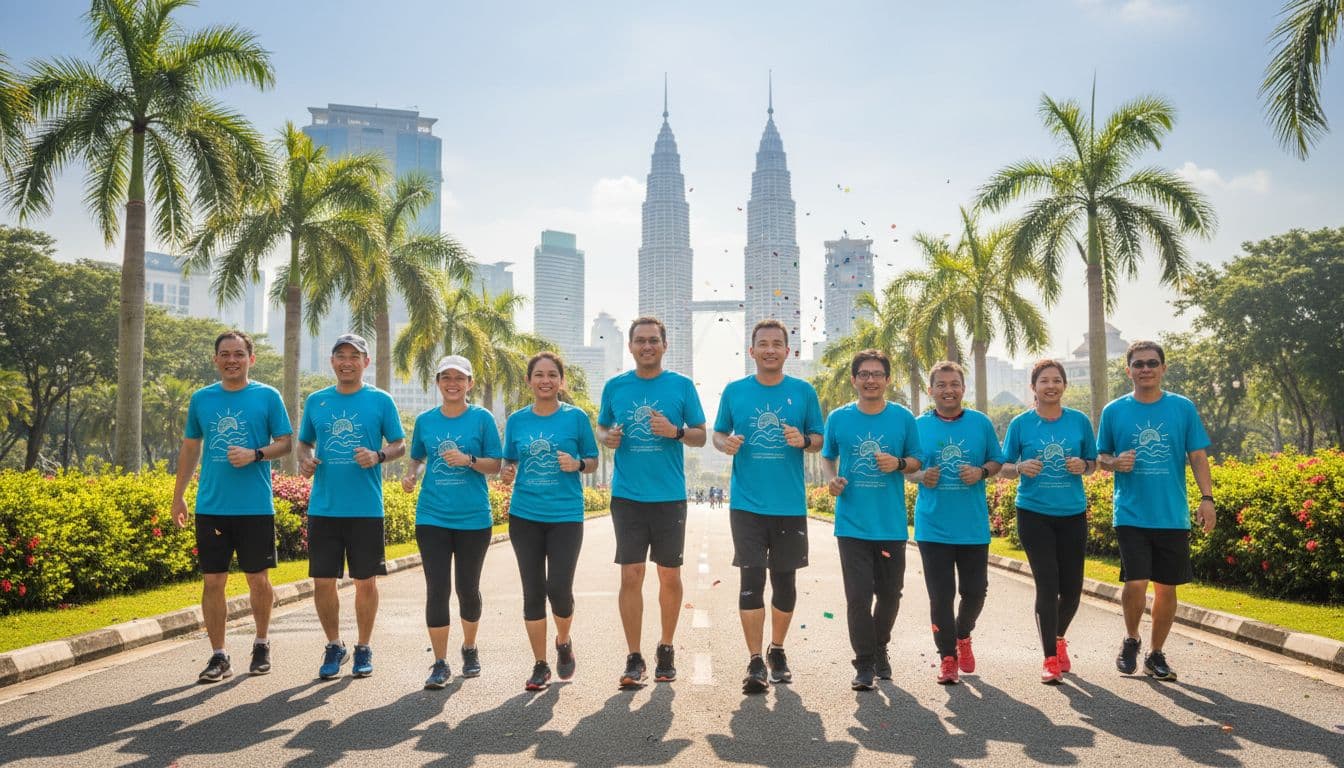 Event shirts also have keepsake value. A good design doesn’t end when the stage comes down. People wear it again, which gives the event a longer life than the day itself.
School shirts that fit student life and school rules
School shirts need a different kind of thinking. Students move, sweat, sit on floors, run outside, and wear the same shirt for hours. Comfort matters, but so does durability.
A shirt for Sports Day isn’t the same as one for a class trip or club activity. Some schools want bright house colors. Others need a cleaner look that still fits school rules. Sizing is also more sensitive here, especially for mixed age groups.
 The sweet spot is a shirt that feels easy to wear, survives repeated washing with high quality printing, and doesn’t turn stiff after one event.
Corporate team shirts that look professional
Corporate team shirts carry your brand in a more public way. If staff wear them at training days, roadshows, client visits, or company trips, the shirt becomes part of how the business is seen.
That means the order can’t look sloppy. Fit, color consistency, and logo placement all matter. Polo shirt printing for a clean chest logo often works well for creating corporate uniforms, especially since 2026 design trends in Malaysia lean toward smaller branding and a neater look.
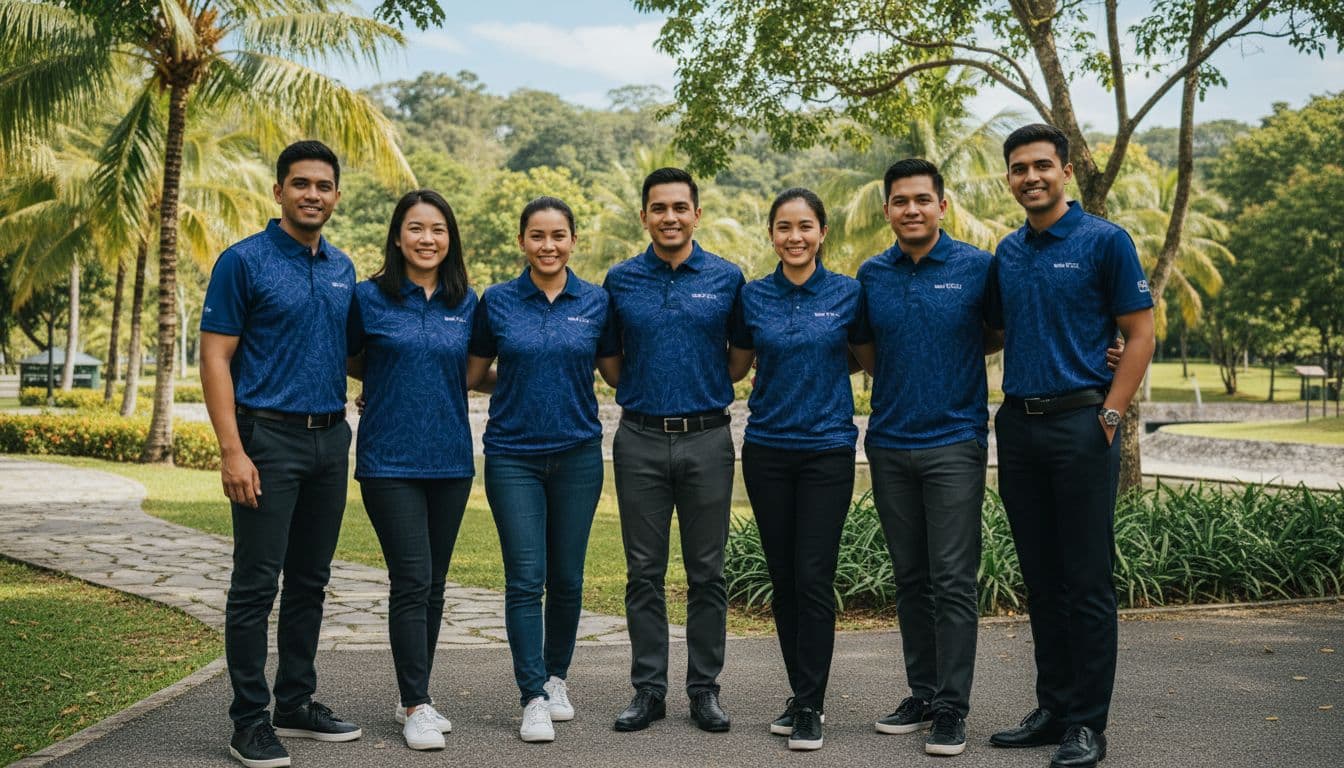 If you want more context on how apparel supports image and staff unity, this piece on corporate t-shirts for branding is a useful next read.
Choose the right printing method before you place the order
Printing method selection shapes the final result more than many buyers expect. It affects color strength, surface feel, durability, and price per piece.
Pick the wrong method, and even a good design can look average. Pick the right one, and the same design feels sharper, cleaner, and worth the order.
Here’s a quick side-by-side look:
| Method | Best for | Strength |
|---|---|---|
| Silk screen printing | Large runs with repeated artwork | Strong colors, good value in bulk quantity |
| DTG | Detailed or photo-like art on cotton | Fine detail, soft print feel |
| DTF printing | Small to mid runs with colorful graphics | Flexible, handles complex logos well |
| Sublimation printing | Polyester jerseys and activewear | Full-color coverage that won’t crack |
| T-shirt embroidery | Polos, uniforms, premium branding | Professional stitched finish |
The takeaway is simple: the best option depends on the design and the shirt, not only the price.
Silk screen printing for bold, repeated designs
For many bulk t-shirt printing jobs, silk screen printing is still the practical winner. If the same design is going on 50, 100, or 500 shirts, it usually gives the best value.
It works especially well for solid-color logos, event back prints, and straightforward layouts. The colors stay bold, and the finish holds up well with repeat wear. That’s why event organizers and schools often come back to it for high quality printing.
If your artwork is simple and your quantity is high, silk screen printing usually makes the most financial sense.
DTG, DTF printing, sublimation printing, and t-shirt embroidery for more detailed needs
Not every job is a silk screen printing job. Some designs need more detail, more colors, or a different kind of shirt.
DTG works well for custom artwork with gradients or photo-style detail, mostly on cotton. DTF printing is useful when you want bright, colorful prints without setting up screens for every color. Digital printing techniques like DTF printing and DTG use full color printing and heat press applications to deliver vibrant results on various fabrics. Sublimation printing is the better fit for polyester sportswear, especially when the shirt needs full-color graphics. T-shirt embroidery isn’t printing, but it’s a smart choice for polos and company uniforms where a stitched logo looks more polished.
If you’re comparing options, this best t-shirt printing method guide lays out the trade-offs clearly.
How design details can change the best method
A small logo on the chest is one thing. A front-and-back print with names, sponsor marks, and sleeve placement is another.
Color count matters. Shirt fabric matters. Print size matters. Even the location matters. A cotton event tee and a moisture-wicking sports jersey won’t behave the same way under the same print process.
That’s why the cheapest method on paper isn’t always the best buy. The right one is the one that fits the design, the wear conditions, and the quantity.
Plan the order details that protect your budget and timeline
This is the part that saves people from last-minute panic in wholesale t-shirt printing. Good order planning does not look exciting, but it prevents most of the delays and surprise costs that show up in bulk jobs, helping secure affordable pricing.
In Malaysia, where event dates, school calendars, and company schedules can move fast, that matters a lot.
Get the size mix right from the start
A large order can still fail if the size breakdown is wrong. Too many M sizes and not enough XLs, and you end up with leftovers nobody can use.
Schools need age-appropriate size planning. Corporate teams need a wider adult range. Event orders often need a mix for staff, volunteers, and VIP guests. Ask for counts early, then add a small buffer only where it makes sense.
Guesswork is expensive. A size chart is not admin work, it is cost control, especially for custom design shirts.
Pick fabric that matches comfort and use
Fabric selection should match how the shirt will be worn, with garment material and fabric thickness GSM as key technical specs to check. A 100% cotton t-shirt is soft and easy for casual events, school activities, and general use. Cotton blends give a balance of comfort and shape retention. Quick dry t-shirts made from microfiber fabric make more sense for sports, outdoor crew work, and all-day events in Malaysia’s heat.
This also ties back to print quality for your custom design. Some methods perform better on cotton. Others shine on polyester. In 2026, breathable performance fabrics remain popular for teams that spend long hours outdoors, while clean cotton tees still lead for simple event wear.
Prepare a clean quotation request
Quotation preparation is where many orders slow down. If your request is incomplete, the reply will be slower and the price may need revision later.
A clean quote request should include quantity, size breakdown, shirt color, fabric choice, artwork file, print positions, and delivery deadline. Mention whether you need individual packing or delivery to more than one location.
For a clearer sense of costing, t-shirt printing and uniform pricing gives a useful reference point before you ask for final numbers.
Check turnaround time against your event date
Turnaround time is not only production time. It also includes artwork checks, approvals, stock confirmation, and sometimes sampling, with fast turnaround times making the difference in a successful corporate order.
That means a shirt needed in two weeks may already be tight if the design is not final. Rush jobs can be done, but they shrink your margin for error. One delayed approval can push the whole schedule.
Build backward from the event date. Leave room for edits. Leave room for delivery. Leave room for one thing to go wrong, because something usually does.
Avoid common mistakes that make bulk orders more expensive
Most costly mistakes in event orders are small at the start. A typo. A guessed fabric. A missing delivery note. Then the order moves into production, and the small mistake becomes a large one.
The fix is usually simple: slow down at the right moment.
Do not approve artwork too fast
Final artwork approval deserves a hard look. Double-checking the custom design ensures high quality printing. Check spelling, names, sponsor logos, colors, placement, and print size on the shirt mockup.
A logo that’s too low or too small can make the whole order look off. Once production starts, changes are harder and more expensive to make.
Do not guess on shirt quality
Low price can look good in a quotation and bad on delivery day. Cheap shirts may feel rough, shrink after washing, or hold print poorly.
That hurts school comfort, event presentation, and company image. Buyers don’t need the most expensive shirt. They do need one that suits the job. A reliable custom apparel supplier can help navigate options, including those who may offer no minimum order quantity for specific sampling.
A shirt that nobody wants to wear is never the cheaper option.
Do not forget delivery and distribution needs
Large orders don’t always go to one table in one room. Some need to be sorted by class, department, branch, or event role.
If that step isn’t planned early, distribution becomes messy. Ask whether the order needs packing by size set, by team name, or by location. For schools and companies with multiple groups, simple labeling can save hours later.
Frequently Asked Questions
What’s the best printing method for bulk t-shirt orders?
Silk screen printing wins for large runs with simple, repeated designs, delivering bold colors and bulk value. For detailed, colorful, or photo-like art, DTG, DTF, or sublimation fit better depending on fabric like cotton or polyester. Always align method with design complexity, quantity, and shirt type to avoid average results.
How do I get the size mix right for events, schools, or teams?
Collect exact counts from participants early, factoring in age groups for schools or roles for events and corporates. Use a size chart, add a small buffer only where needed, and avoid guessing. Wrong sizes lead to leftovers and wasted budget.
What fabric choices work best for different occasions in Malaysia?
100% cotton suits casual events and school wear for softness and breathability in the heat, while quick-dry polyester or blends fit sports and all-day outdoor use. Match GSM and material to activity for comfort, durability, and print performance. This ties directly to how the shirt holds up over time.
How can I plan timelines to avoid rush fees and delays?
Work backward from your event date, accounting for artwork approvals, production, and delivery—two weeks can be tight for complex jobs. Submit complete details upfront and leave buffer for one hiccup. Early planning secures affordable pricing and on-time delivery.
What common mistakes make bulk orders more expensive?
Rushing artwork approval without checking mockups, picking cheap shirts that shrink or feel rough, and ignoring packing/delivery needs like sorting by group. Slow down on these steps to prevent costly fixes. Quality planning upfront saves more than it costs.
Conclusion
The best bulk t-shirt printing orders don’t start with color charts or price tables. They start with purpose.
When the shirt matches the occasion, the printing method fits the design, and the planning is done early, the whole order gets easier to manage. That’s true for event orders, school shirts, and corporate team shirts alike with custom t-shirt printing Malaysia.
A good bulk order isn’t about getting the most shirts. It’s about getting the right shirts with high quality printing and personalized designs through custom design at affordable pricing, on time, with no surprises.