
Company Uniform Design Ideas for Malaysian Businesses
A sharp corporate uniform can elevate your professional image in seconds. Conversely, a poor design can make your team look uncomfortable before anyone even says hello.
That is why good company uniform design is not only about color and logos. It has to fit the job, feel comfortable all day, and hold up in Malaysia’s hot, humid weather. Think of it like packaging for your team. If the packaging feels wrong, the brand identity suffers.
Before you request a quotation, get the basics right first. You will save time, money, and the need for a redesign later.
Key Takeaways
- Prioritize Functionality: Always design uniforms based on the specific job requirements, such as breathability for outdoor crews or neatness for client-facing roles, rather than relying on a one-size-fits-all approach.
- Climate-Appropriate Fabrics: In Malaysia’s humid weather, choose light cotton-poly blends or moisture-wicking fabrics that keep staff cool and comfortable, while avoiding heat-trapping materials like nylon or heavy denim.
- Keep Branding Simple: A clean, balanced design with strategic logo placement ensures your brand is easily recognizable without looking cluttered or unprofessional.
- Match Decoration to Needs: Select the right application method—such as durable embroidery for logos or vibrant printing for large, detailed graphics—to balance longevity, aesthetics, and budget.
- Focus on Staff Comfort: A uniform that looks good but feels uncomfortable will negatively impact morale; prioritize proper sizing and practical features to ensure employees feel confident wearing the company attire.
Start by matching the uniform to the job
Start with the work itself. If you put every team in the same shirt, you usually create problems. Office staff, event crews, F&B teams, factory workers, and outdoor staff do not need the same uniform, even if they work under one brand. Selecting custom corporate shirts starts with function, not style.

Think about where your team will wear it
Indoor teams can usually wear cleaner cuts and lighter fabrics. Outdoor crews and factory staff need specialized workwear made from breathable materials, sun-friendly sleeves, and colors that still look neat after sweat, dust, or rain. For hands-on work, durability and easy movement matter more than decorative details. Customer-facing roles also need a fit that looks neat through a full shift to maintain team professionalism. Before finalizing your order, you might want to create an office shirt mockup to visualize how these practical design choices will look on your staff.
Decide what the uniform should say about your brand
When you choose a corporate uniform, decide how you want the business to feel. Whether formal, friendly, modern, or practical, each style signals something different about your corporate identity. A law firm, cafe chain, logistics team, and roadshow crew should not copy the same custom corporate shirts, because customers read clothing like a first impression. You are dressing people, but you are also shaping how the business is remembered.
Choose fabrics that stay comfortable in Malaysia’s climate
In Malaysia, fabric selection can make or break daily wear. If you ignore the humid climate, your custom-made uniforms will not get much love from your staff. Comfort is not a bonus, as achieving material excellence is essential for ensuring your team stays productive throughout the day.
Pick materials that breathe and dry fast
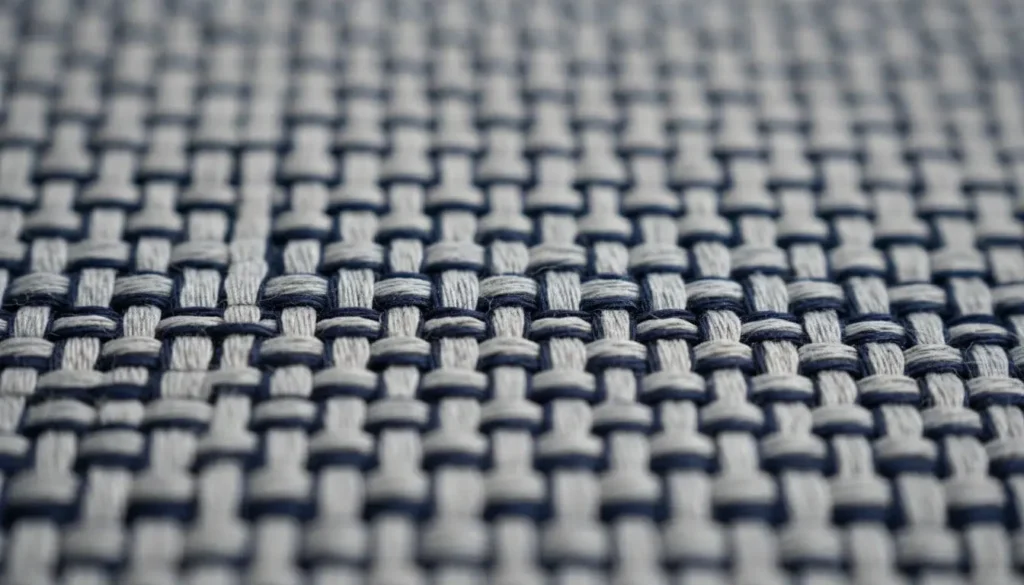
For most teams, light cotton-poly blends and modern, breathable fabrics with moisture-wicking technology are the safest choice. While cotton feels soft, TR Viscose provides a smooth and durable finish, and quick-dry polyester blends work exceptionally well for active roles. Linen blends can feel airy too, but they tend to wrinkle faster. You should avoid heavy polyester, thick denim, and nylon, as these materials usually trap heat and cause discomfort in the tropical weather of Malaysia.
Balance comfort, durability, and easy washing
When sourcing high-quality materials, you want fabric that looks presentable after repeated washing, rather than options that wrinkle easily, fade quickly, or lose their shape. This is critical when shirts are washed every week or even more frequently. A great staff shirt idea sits in the middle, remaining cool enough to wear, sturdy enough for daily use, and simple to wash without requiring special care.
Make the design clean, simple, and easy to recognize
The best uniforms are easy to recognize at a glance. That usually means less, not more. When everything shouts, nothing is clear.
Use color choices that fit your brand and your work environment
Your brand colors matter, but real-life use matters too. Navy, charcoal, and darker tones hide stains better and stay sharp longer. White looks crisp, but it needs more upkeep. Lighter shades can feel cooler, but they show spills faster. If you want brighter brand colors, utilize them as creative branding solutions for trims, collars, or panels instead of covering the whole shirt. By keeping the main color practical, you ensure the staff uniform remains professional and durable throughout the work day.
Keep the layout balanced so the uniform does not look crowded
A strong corporate uniform design leaves breathing room around the logo, stripes, and any text. Clean lines look more premium. Oversized graphics, too many colors, and busy sleeve details can make a staff uniform look cheap, even when the fabric is high quality. If every panel has something on it, the design loses control. We recommend reviewing a polo shirt mockup before finalizing your order, as this helps you see if the layout feels balanced or if it has become too cluttered.
Place your logo and branding where people will notice it
Logo placement is where many good ideas go wrong. Think about visibility, size, and balance rather than just decoration. A logo can be seen clearly without taking over the entire garment.
Choose the right spot for different uniform styles
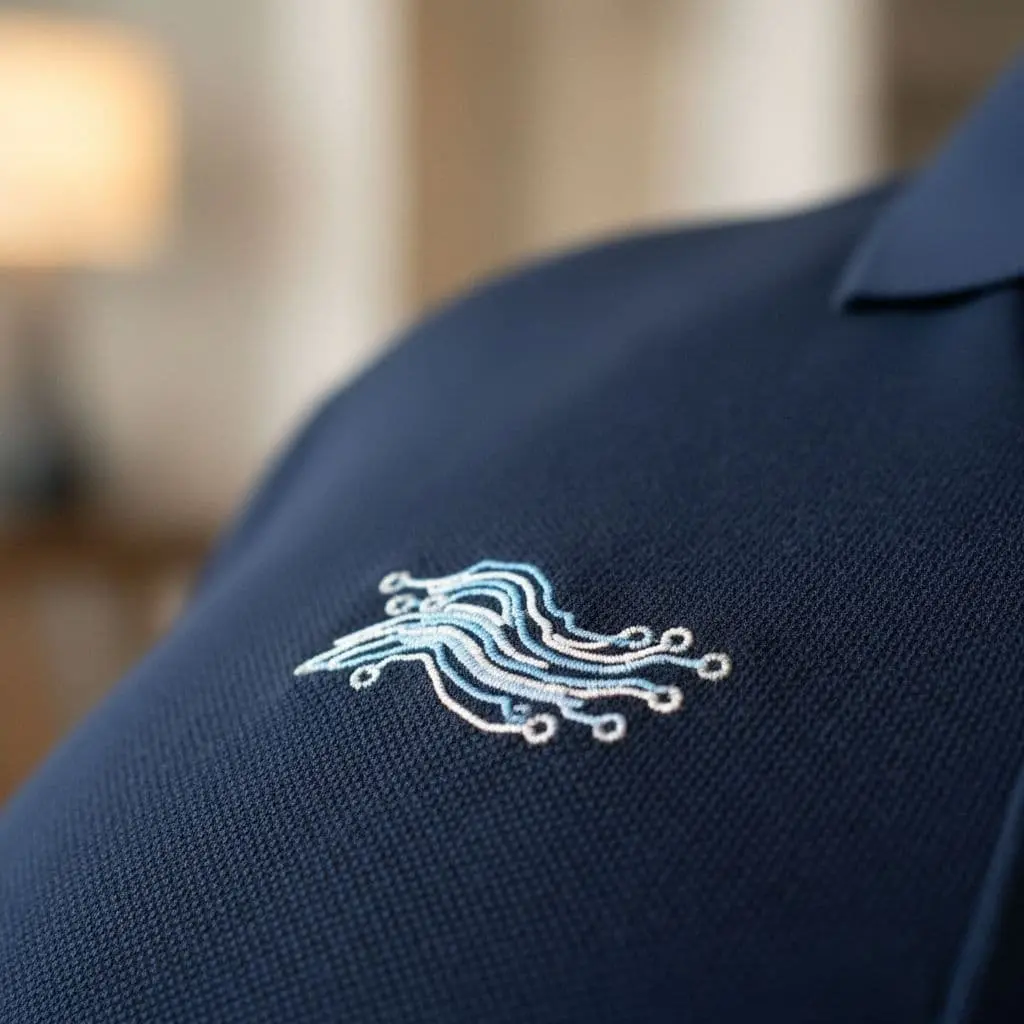
For polo tees and office shirts, a professional logo embroidery on the left chest usually feels polished. Sleeve logos work well when you want subtle branding. Back prints make more sense for event crews, field teams, and delivery staff, where visibility from a distance is key. For those designs, silkscreen printing is often the preferred choice for bold, high-visibility graphics. On jackets or heavy-duty workwear, a combination of chest and back branding can be highly effective.
Match the logo treatment to the fabric and look you want
Placement and application method affect how premium the uniform feels. A refined logo embroidery on the chest can significantly elevate your custom-made uniforms, while a large, vibrant design on the back makes a custom polo T-shirt better for promotional events than for daily office wear. If your design features complex colors or intricate artwork, DTF printing offers a modern solution to ensure every detail remains sharp. That is one of the easiest ways to keep your branding looking intentional. Always choose the spot and the application technique based on how the garment will be used, rather than following standard habits.
Select embroidery or printing based on the result you want
When you compare quotations, this is the part that often gets missed. The decoration method changes the final look more than most buyers expect. Budget matters, but so does texture, color, and how often the shirt will be worn. Whether you are ordering ready-made shirts or a custom-designed corporate uniform, your choice of application will define your brand image.
Use embroidery for a premium, long-lasting finish
Logo embroidery is a strong choice for front logos on polos, jackets, and many office uniforms. It looks tidy, lasts well, and gives the garment a more professional, finished feel. It also holds up exceptionally well through repeated washing. Note that this method is less suited to very large artwork or fine color gradients.
Use printing when you need color, detail, or a lower-cost option
Printing works better for larger graphics or highly detailed artwork. For simple bulk orders, silkscreen printing is a cost-effective and reliable industry standard. DTF printing is particularly useful for smaller quantities or designs that involve complex, multicolor artwork. Meanwhile, sublimation works best on polyester sportswear and F1 shirts, where you want vibrant, all-over color without adding any weight to the fabric. For campaign tees or event wear, this level of flexibility is essential for achieving a high-quality result.
Build a uniform that staff actually want to wear
A uniform that looks great on a hanger can still fail on the job. If it is stiff, hot, or restrictive, your team will notice before your customers do. Staff buy-in is half the battle.
Get the fit right for different body types
Do not guess sizing. Always prioritize tailored fits for your team to ensure every individual feels comfortable and professional. Ask for samples, check shoulder width, shirt length, sleeve opening, and movement when sitting or lifting. Bulk production is the worst time to discover a sizing problem. A good custom uniform design should accommodate various body shapes, not just the proportions of a sample model.
Add practical features that make work easier
Small details matter, and a thorough design consultation can help identify exactly what your team needs to succeed. Pockets are essential for retail and field staff who need reliable workwear. A short sleeve shirt is perfect for hot indoor spaces, while another version of the short sleeve shirt can provide a professional look for service staff. Long sleeves may work better outdoors or as part of a formal business attire policy. For F&B teams, easy-care fabric and cleaner collars can save daily hassle. The right collar, side vents, and fabric choice can turn a decent uniform design for business into one people will wear without complaint.
Frequently Asked Questions
How can I make sure the uniform is comfortable for Malaysia’s hot weather?
Prioritize breathable, moisture-wicking materials like light cotton-poly blends or quick-dry polyester. Avoid heavy, non-breathable fabrics like nylon or thick denim, which trap heat and cause discomfort during long shifts in tropical conditions.
Should I choose embroidery or printing for my company logo?
Embroidery is best for a premium, durable look on chest logos for polo shirts or jackets. Printing, such as silkscreen or DTF, is more suitable for large, detailed graphics, complex color designs, or when you need a more cost-effective solution for large orders.
How do I ensure my staff will actually enjoy wearing their uniforms?
Comfort is key to staff buy-in, so ensure the fit accommodates different body types by requesting samples before bulk ordering. Incorporate practical features like pockets or specific sleeve lengths that assist them in their daily tasks, making the uniform a helpful tool rather than a restrictive requirement.
What are the best colors to choose for a practical, long-lasting uniform?
Darker tones like navy or charcoal are excellent for hiding stains and maintaining a professional appearance throughout the work day. If your brand uses bright colors, consider using them as accents on collars or trims rather than the main shirt color to keep the uniform looking clean and crisp.
Choose the right uniform before you price it
The best company uniform design is the one your staff can work in all day and your customers can recognize in seconds. It should look professional, feel comfortable, and fit the real job.
Before you ask a uniform supplier for a quotation, decide on your fabric, colors, logo placement, fit, and decoration method first. It is also important to consider the logistics of mass production and how quality control will be maintained to ensure consistency across your team. A better brief usually leads to a better result, which strengthens your corporate identity and ensures every staff uniform serves its purpose well. Taking these steps makes your pricing clearer and ensures your final corporate uniform is a valuable investment.