
A branded uniform does more than cover a shift. It builds trust, sharpens brand identity, and gives customers a cleaner first impression.
That matters whether you run one store or manage corporate uniforms across sites. The best staff uniform printing for SMEs and corporate teams delivers custom apparel that balances brand image, comfort, durability, and budget. Start there, because the right buying calls come from how people work every day.
Key Takeaways
- Start with the job, role, and daily needs when selecting uniform styles, fabrics, and features to ensure comfort, durability, and staff buy-in.
- Match printing methods to your logo style, order size, and budget: embroidery for polished logos on polos and jackets, DTF for full-color flexible designs, or hybrids for balanced results.
- Choose performance fabrics like moisture-wicking blends and sustainable options that support long shifts, easy care, and brand reputation without sacrificing practicality.
- Plan rollouts with samples, wash tests, sizing guidance, and reordering systems to control costs, maintain quality, and scale for SMEs or multi-site teams.
Start with the job, the brand, and what employees actually need
Pick garments for the work first, then add branding. A logo won’t fix a shirt that traps heat, rides up, or wears out after a month. Role, weather, movement, and safety all shape the right choice.
A front-desk team needs professional workwear. A field crew needs stretch, layers, and hard-wearing fabric. Retail staff often need a middle ground, clean presentation with room to move. So, before you compare suppliers, map the workday.
Start with the job, not the logo.
Choose uniform styles that fit the workday
Polo t-shirts work well for many SMEs because they bridge casual and professional. Tees suit active jobs, promo teams, and warm sites. Button-downs fit office-facing roles, while safety workwear, jackets, and outerwear help field teams who move between indoor and outdoor work.
Aprons make sense for food, beauty, and service roles. Scrubs are built for care settings. For larger companies, role-based custom made uniforms often work better than ready-made products for everyone. That means one look, but different pieces by department or location.
 Match colors and branding without making the design feel busy
Keep corporate branding clean. A left-chest logo still works because it’s easy to read and rarely feels overdone. Sleeve marks, back prints, and small contrast panels can add structure without turning the garment into an ad.
In 2026, bold colors and color blocking are common in customized corporate wear, especially for retail, events, and field teams. Used well, they improve visibility and brand recall. Used badly, they create visual noise. Limit the palette, control logo size, and keep placement consistent across garments.
Pick the right printing method for your budget, fabric, and logo style
The best print method depends on four things, order size, garment type, artwork detail, and wash wear. Keep the choice practical. Don’t pick a method because it sounds premium if it doesn’t suit the fabric or the use.
When embroidery makes the most sense
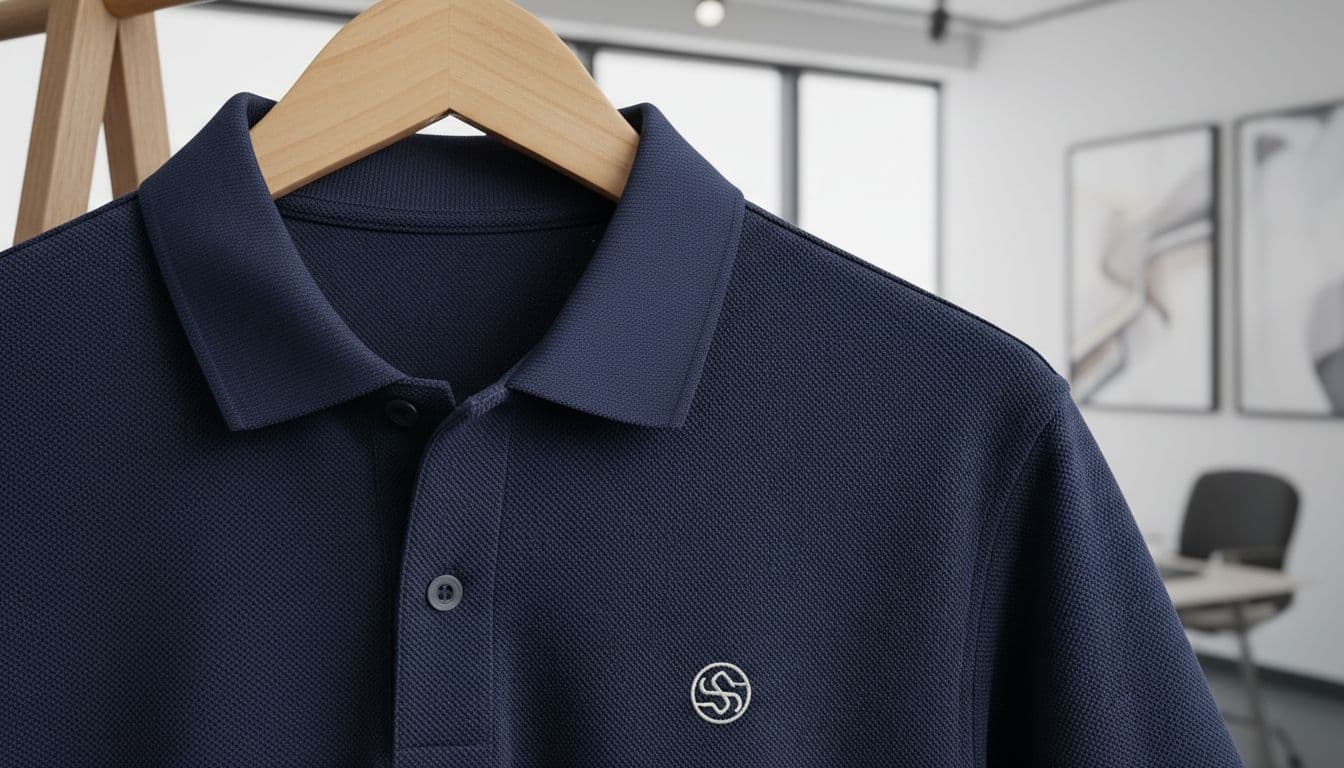
Embroidery fits logos, names, and a polished corporate look. It works well on polos, button-downs, caps, fleece, and jackets. The result looks structured and holds up well under frequent wear.
That said, embroidery costs more to set up and doesn’t suit large full-color graphics. Fine gradients and photo-style art also lose clarity in thread. Professional embroidery services deliver logo embroidery for a durable, premium finish, perfect when you want quality over big, bright designs.
 When DTF or transfer printing is the smarter option
DTF, or direct to film, works well for full-color artwork, smaller runs, and mixed fabrics as part of broader t-shirt printing options. It’s also useful when you need fast turnaround or variable details, like staff names, roles, or event dates.
For SMEs, that flexibility matters. Seasonal hires, pop-up teams, and test runs don’t always justify larger production methods. Still, print life can vary by garment use and wash care. Ask how the print feels, how it stretches, and how it holds after repeat laundering.
Other options for different garment types or budgets include silk screen printing for high-volume runs, heat transfer for quick customs, and sublimation printing for polyester blends.
Why some teams use a hybrid approach
A hybrid setup often gives the best balance. Use embroidery for the left-chest logo, then add DTF or transfers for larger back graphics, names, or department marks.
This keeps the front clean and the branding strong, while controlling cost. A corporate shirt can benefit from combining these techniques for cost-effective results. It also helps corporate teams standardize the main logo and still allow local or role-based details.
Choose fabrics and features that improve comfort, wear, and team buy-in
If staff don’t like wearing the uniform, the program breaks down fast. Complaints rise, replacement rates climb, and consistency drops. So comfort isn’t a nice extra, it’s part of cost control.
Performance fabrics can make long shifts easier
Moisture-wicking polos, stretch shirts, wrinkle-resistant blends, and breathable fabric like TR viscose are popular in 2026 for a reason. They suit warm stores, active jobs, travel, and long shifts. The fabric selection process is vital for staff buy-in, and easy-care options also cut ironing and shrinkage problems.
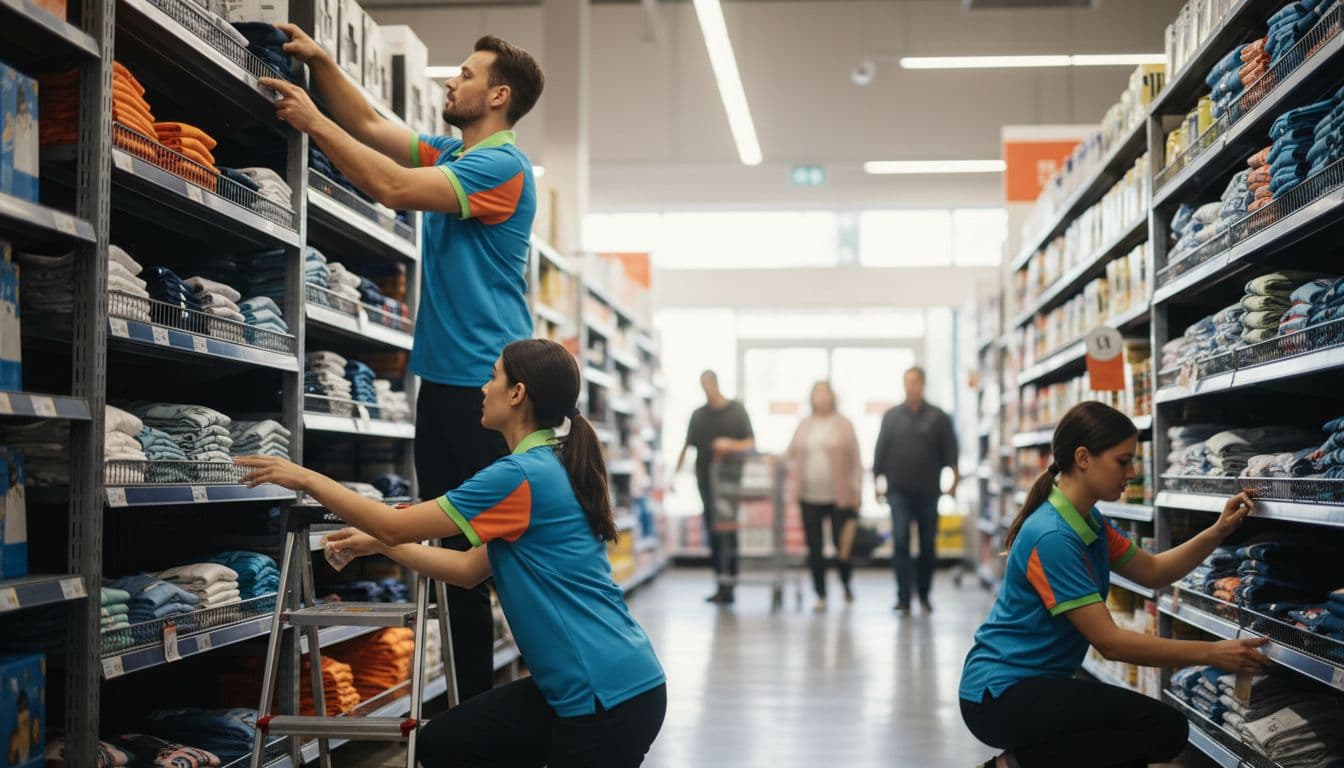 For busy teams, that matters every day. A shirt that moves well and dries fast gets worn properly. As a result, staff look more consistent and feel better on shift.
Sustainable materials are now a practical business choice
Recycled polyester, organic cotton, and water-based inks are no longer niche options. High quality materials like these can support brand reputation, appeal to staff, and sometimes hold up better than cheap basics.
Keep the case grounded. Buy sustainable options when they also meet fit, wear, and price goals. Good materials help, but only if the garment still suits the job.
Personal touches can improve ownership and team pride
Simple personalization can add value to customized corporate wear. Names, role tags, location marks, or badge-ready layouts help staff feel seen and help customers know who to approach.
This works especially well for customer-facing teams and multi-site operations. It also supports accountability, because a uniform feels more like assigned equipment and less like generic stock.
Frequently Asked Questions
What should I prioritize first when choosing staff uniforms?
Pick garments based on the job, role, weather, movement, and safety needs before adding branding. A logo won’t fix poor fit or comfort issues like heat-trapping fabrics or quick wear. Map the workday to select styles like polos for retail, aprons for service, or layers for field teams.
Which printing method works best for corporate uniforms?
Embroidery suits polished logos on polos, jackets, and caps for durability and a premium look, but avoid it for full-color graphics. DTF excels for colorful artwork, small runs, and personalization like names on mixed fabrics. Many teams use hybrids—embroidery on the chest with DTF on backs—for clean branding at lower costs.
How do I choose fabrics that staff will actually wear?
Focus on performance features like moisture-wicking, stretch, wrinkle-resistant blends, and breathable options for long shifts and active jobs. Sustainable materials such as recycled polyester or organic cotton add value if they meet fit, wear, and price goals. Personal touches like names or role tags boost ownership and team pride.
What’s the best way to plan a uniform order and avoid common mistakes?
Start with a simple capsule set or role-based kits, request samples for fit and wash tests, and get clear sizing guidance from suppliers. Build mix-and-match options for flexibility across sites or departments. Set up online reordering portals to handle turnover and growth without waste or admin hassle.
Are sustainable uniforms practical for SMEs?
Yes, options like recycled polyester, organic cotton, and water-based inks now balance quality, comfort, and price while enhancing brand image and staff appeal. They often hold up better than cheap basics and support reputation goals. Choose them only if they fit the job’s wear and budget needs.
Plan your uniform order so quality stays high and costs stay under control
A poor rollout wastes money fast. Common mistakes include picking the wrong fabric, skipping wash tests, and ordering one style that fits no one well. Control those risks before the main order.
Build a simple rollout plan for small teams or multi-location companies
SMEs can start with a capsule set, for example, two tops, one layer, and one optional extra. That keeps spend down, respects minimum order quantity (MOQ), and makes reordering easier. Larger companies usually need role-based kits, a clear standard by site or department, and details on b2b pricing for bigger volumes.
Mix-and-match pieces also help. Staff get flexibility, while the brand still looks controlled.
Ask suppliers about samples, sizing, and wash testing before you commit
Look for a production facility that offers design consultation, especially hubs like Kuala Lumpur with nationwide delivery options. Request samples. Check stretch, comfort, color hold, and print feel in real conditions. Then wash test the garments the way staff will actually clean them.
Sizing support matters too. A supplier should offer clear size charts and practical guidance, not vague ranges. If fit fails, the whole program feels off.
Use reordering systems that save time as your team grows
Once the first run works, make repeat orders simple. Online portals, print-on-demand options, and ready-to-press transfer systems can cut admin time and reduce stock waste.
That matters for both growing SMEs and larger firms with staff turnover. A good reorder setup keeps branding steady, shortens replacement time, and avoids the chaos of starting from scratch every time.
A strong uniform program starts with the job, then matches garment, print method, and fabric to real working conditions. That’s what makes Staff Uniform Printing for SMEs and Corporate Teams useful, not just attractive.
The payoff is clear, better brand image, more staff confidence, and fewer day-to-day problems. Bespoke apparel like corporate shirts delivers real value in a professional program. Build the system to grow with your business, and your corporate uniforms or custom made uniform will keep doing its job long after the first order ships.